What Failed Inside the Elevator: Mechanisms Investigators and Attorneys Examine
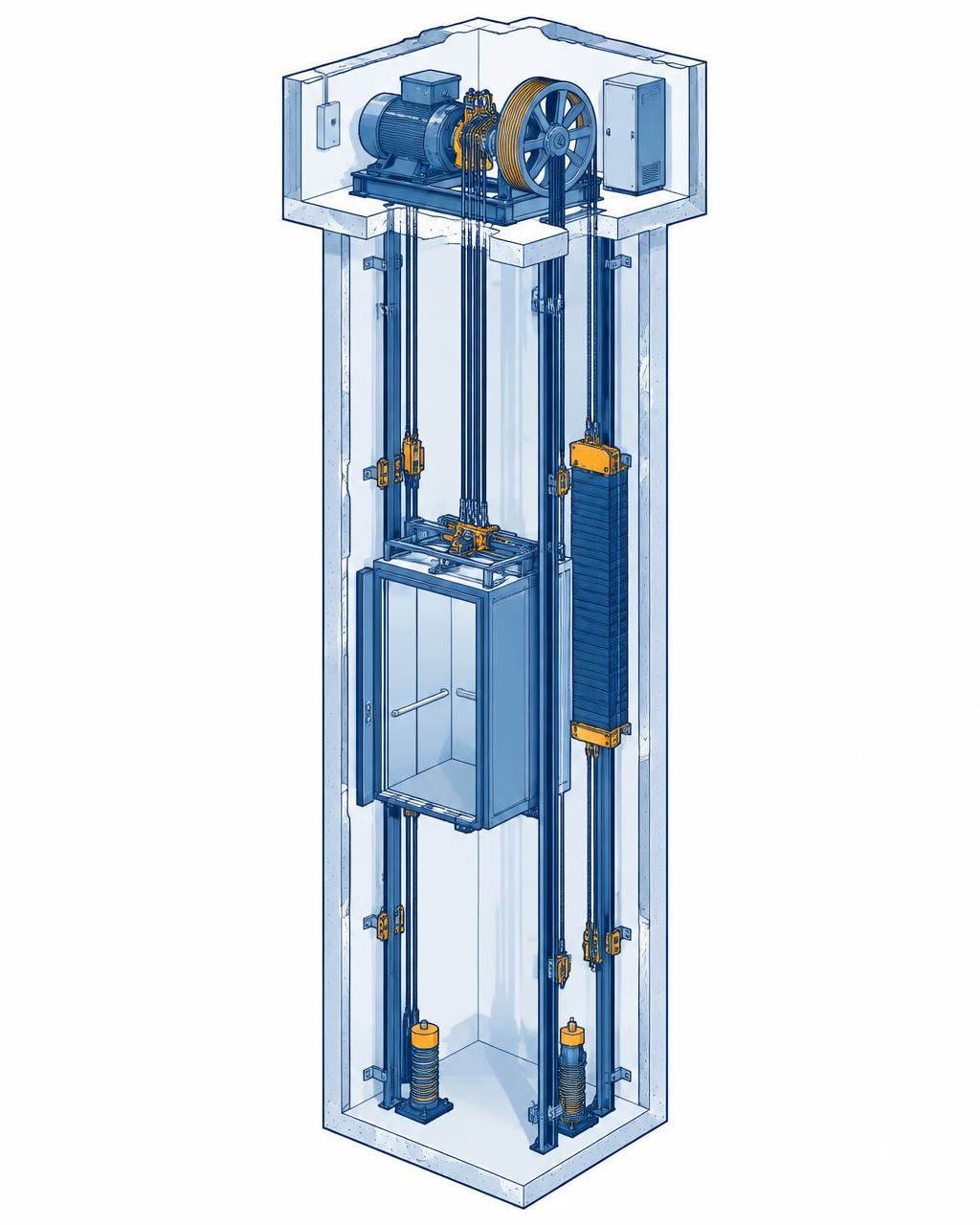
Beneath the general categories above are the technical failure modes that engineers examine and that come up in litigation. Each one points to a different part of the equipment, and so to a different question about who looked after it.
Fluid condition is one. If water, particles or heat have broken the hydraulic fluid down, its viscosity drops and the valves may not perform as they should, which can mean a car that does not stop or hold where a rider expects.
Thermal expansion is another. Hydraulic fluid expands with heat, and in a poorly maintained system this can cause the car to drift upward after stopping, which is called thermal creep. Like downward creep, it can leave the car out of level with the floor.
Aging seals and O-rings matter because elastomer seals degrade over time. When seals fail, fluid leaks and pressure is lost.
Underground cylinder corrosion affects in-ground single-bottom cylinders installed before modern standards. These cylinders are exposed to external corrosion from soil and groundwater, and a rupture can cause sudden uncontrolled descent.
Control valve wear involves the lowering valve and the check valve, which are subject to wear and contamination. A worn valve may not hold the car at a floor.
The control system can fail too. Whether a building has an older relay-logic controller or a newer microprocessor controller, a failure in it can make the car behave erratically, so a car that acted strangely before or during an accident may point to the controls rather than the hydraulics.
The national model standard for elevator safety is ASME A17.1, the Safety Code for Elevators and Escalators. It sets maintenance and inspection standards, and many states and localities adopt it, with variations. The requirements that actually apply to a particular elevator come from the code that elevator's jurisdiction adopted, in the version it adopted, not from the national standard alone.
For an injured person, these mechanisms matter because physical evidence connects a specific component to a specific party's duty. A failed seal, a contaminated fluid sample or a worn valve can point toward how the equipment was maintained, made or installed. The pump unit, fluid samples, valve components and control records are often the subject of expert examination, which is why injured people and families often treat preserving that equipment and its records as an early priority. Three practical questions follow: whether the equipment has been examined, whether it has been repaired, and which code version applied to that elevator.